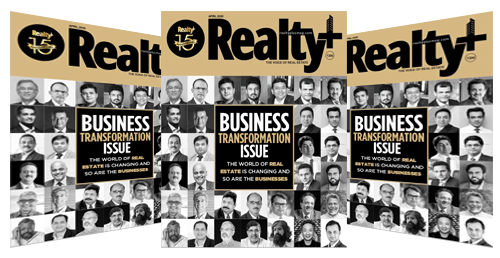




For Architect Tushar Mistry, architecture was never meant to be a frozen object admired from a distance. It was always meant to be lived in, felt, and remembered. The quiet turning point came early in his career when he noticed how people spoke about buildings. They rarely talked about drawings, layouts, or materials. Instead, they spoke about how a space made them feel. That simple realization reshaped everything he would go on to build.
Today, as Principal Architect of Tushar Mistry Design Studio, Mistry works with a single guiding belief: spaces are not just physical environments, they are emotional experiences. And in the evolving world of offices and work culture, that belief is proving especially powerful.
From Visual Appeal to Lived Experience
Walk into many workplaces and you will find what Mistry calls “five-minute beauty”. Polished surfaces, fashionable finishes, dramatic lighting. They photograph well and impress briefly. But they rarely leave a lasting imprint on how people work or feel. For him, that is the difference between a visually attractive office and an experiential one. The first is designed to be seen. The second is designed to be lived in.
An experiential workspace, he explains, quietly shapes behaviour. It influences how people move, where they pause, how they collaborate, and how long they feel comfortable staying. It understands flow, comfort, acoustics, light, and personal space. It changes moods without announcing itself. In his view, good office design works with people rather than performing for the camera.
What Luxury Really Means Today
This sensitivity toward human experience becomes even more critical when the word “luxury” enters the conversation. When a client asks for a luxury office, Mistry rarely begins with marble samples or mood boards. He begins with psychology. What does luxury mean to this person? Is it silence? Is it openness? Is it restraint or visual richness? For some, luxury is emotional calm. For others, it is layered opulence. Only when that meaning is decoded do brand expression and budget fall into place.
This focus on emotion also explains why so many premium spaces, despite their cost, feel cold. According to Mistry, true luxury is rarely loud. It lies in warmth, proportion, natural light, and comfort. A space feels luxurious when it puts you at ease, not when it tries too hard to impress. When design becomes performative, it often loses the very comfort that defines luxury in the first place.
The Office as a Journey
For Mistry, experiential office design is best understood as a journey. A workspace should unfold like a narrative. Light, volume, texture, and movement act as chapters. You enter, transition, pause, gather, and retreat. The architecture guides you without force. It reveals itself gradually. There is no single dramatic moment. The experience is cumulative.
He is also quick to dismantle the myth that premium design depends on expensive materials. In his practice, precision matters more than price. Good proportions, clean detailing, thoughtful lighting, and clear spatial planning can make even modest materials feel refined. Luxury, in this sense, is not about what you use. It is about how carefully you use it.
Restraint is central to this philosophy. In offices especially, excess is the fastest way to destroy sophistication. Luxury must remain quiet, timeless, and functional. When it becomes decorative for decoration’s sake, it slips into pretence. The space, he insists, must always serve the work being done within it, not distract from it.
When Design Becomes Narrative
Storytelling plays a subtle but crucial role in how Mistry approaches interiors. Every project carries a narrative, drawn from the brand’s values, culture, and ambitions. He often speaks of design as a silent language, one that should communicate even when logos and signboards are stripped away. A well-designed office should tell you who works here and how they think, without spelling it out.
Technology, now inseparable from modern offices, is handled with similar discretion. Mistry does not believe in tech that announces itself. He believes in tech that disappears into the background. Automation, climate control, lighting systems, and acoustic solutions should quietly enhance ease and efficiency without drawing attention. When technology becomes visible, it risks overwhelming the human experience it is meant to support. Seamlessness, in his view, is the real luxury.
The New Definition of Premium
Sustainability is no longer an afterthought in his definition of high-end design. He sees a clear shift in how clients now understand luxury. Responsibility has become part of aspiration. Natural materials, energy efficiency, long-lasting construction, and attention to well-being are no longer niche concerns. They are central to what a truly modern luxury office represents. A space that ages well, consumes less, and supports health carries its own quiet prestige.
Looking ahead, Mistry believes India is steadily moving from “show luxury” to “feel luxury”. The future of workplace design will be more sensory, more human, and more wellness-driven. Technology and sustainability will continue to integrate deeply into architecture, but always with subtlety. The emphasis will shift from visual spectacle to lived comfort.
In many ways, this philosophy mirrors the evolution of work itself. Offices are no longer just containers for desks and meetings. They are expressions of culture, care, and identity. They influence how people feel about their workdays, their colleagues, and their sense of belonging.
At the heart of Mistry’s practice remains a simple conviction. People may forget floor plans and finishes, but they never forget how a space made them feel. And in that memory lies the true measure of design.