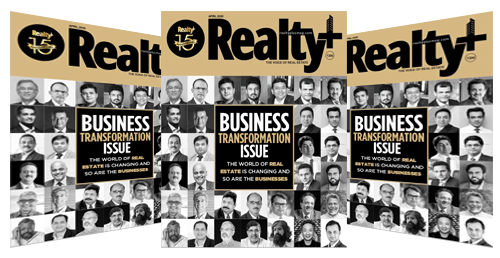




India’s real estate industry is entering a new growth phase, with senior living communities and commercial assets emerging as critical drivers. Industry leaders project the sector to cross Rs. 10 lakh crore in value by 2030, supported by demographic shifts, capital inflows, and infrastructure expansion. Senior living is gaining traction as India’s ageing population grows, while commercial real estate continues to attract institutional investors with ESG aligned projects. Over the past decade, the sector has recorded nearly 130% growth, reflecting resilience and diversification. Tier II cities are also becoming credible hubs, offering affordability and fresh talent pools. Together, these trends signal a pivot from a residential centric model to a diversified ecosystem aligned with India’s Viksit Bharat 2047 vision.
Senior Living: A Sunrise Segment
India’s ageing population is expected to reach 200 million by 2030, creating demand for age friendly housing solutions. Senior living communities are emerging as lifestyle ecosystems, offering healthcare, wellness, and social engagement facilities. Developers are exploring integrated projects that combine residential units with medical support, recreational spaces, and community building initiatives. This segment is positioned not just as housing, but as a dignified lifestyle solution for retirees seeking security and companionship. Industry leaders believe senior living will evolve into a mainstream asset class, supported by rising disposable incomes and changing family structures.
Institutional Magnet
Commercial real estate remains a cornerstone of growth, attracting institutional investors and global capital. Flexible office spaces, coworking hubs, and retail centers are driving demand, while ESG aligned projects are gaining traction among international funds. The sector’s resilience is evident in its ability to withstand cyclical slowdowns, with capital market participation enabling developers to scale projects. Commercial assets are expected to anchor India’s real estate expansion, complementing residential demand and creating diversified revenue streams.
Infrastructure and Tier II Cities
Infrastructure expansion — metro corridors, expressways, and smart city projects is reshaping India’s urban geography. Tier II cities such as Ahmedabad, Jaipur, Coimbatore, and Kochi are emerging as credible growth centers, offering affordability and fresh talent pools. These geographies provide 10–35% cost savings compared to metros, making them attractive for both residential and commercial investments. Improved connectivity and progressive state policies are eliminating traditional barriers, enabling geographic diversification and operational resilience.
Diversification and Alignment with Viksit Bharat 2047
With nearly 130% growth recorded over the past decade, India’s real estate sector is poised for its next leap. Senior living and commercial assets will complement traditional housing, creating a diversified growth model. Policy reforms, ESG alignment, and capital inflows will be critical to sustaining momentum. As industry leaders emphasize, the sector is no longer just about building homes — it is about shaping communities, workplaces, and ecosystems that align with India’s Viksit Bharat 2047 vision.
India’s real estate sector is diversifying beyond traditional housing, with senior living and commercial assets emerging as the next growth wave. Demographic shifts, infrastructure expansion, and capital inflows are creating a multi-layered ecosystem where real estate is both a lifestyle enabler and an economic driver. By embracing innovation and sustainability, the sector is positioned to deliver not just assets, but outcomes that align with national ambition.